Source tiger balm pain relief patch for body, joint, and muscle
Find 30 verified tiger balm pain relief patch options from suppliers in China and Thailand. Compare sizes, materials, and certifications to select the right solution for body pain relief needs.
Key considerations
Products List


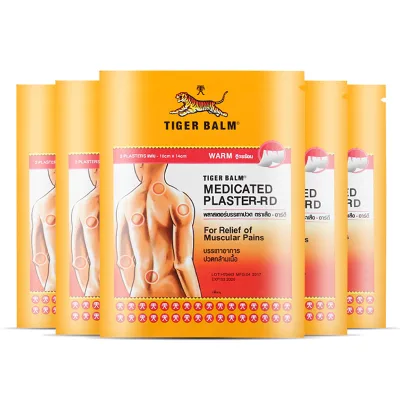
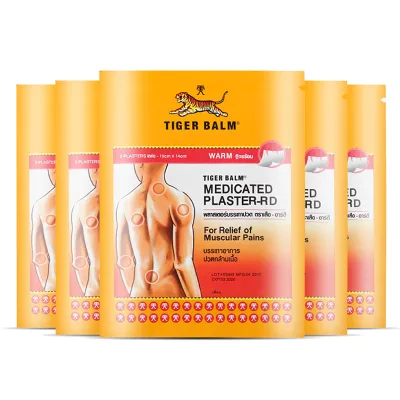
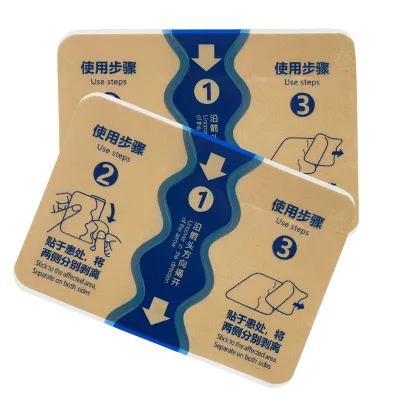


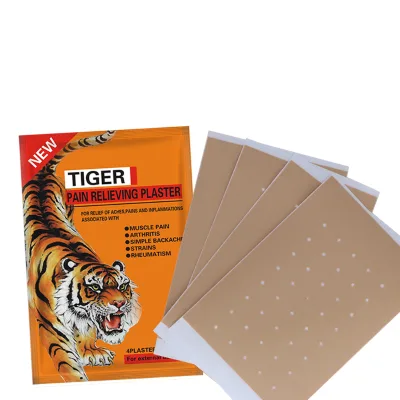


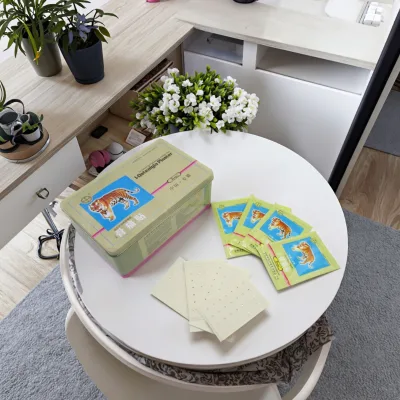
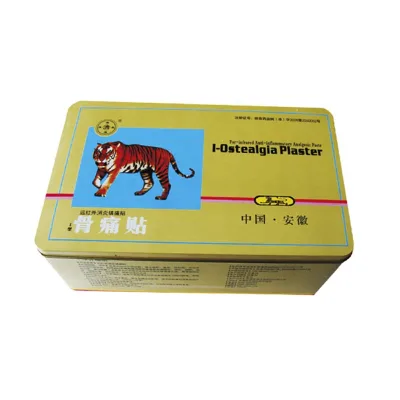
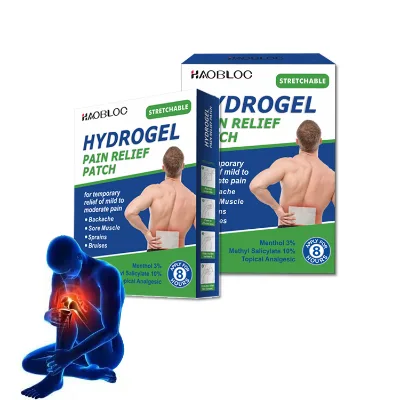
Comprehensive Sourcing Guide
Strategic Sourcing Guide for Tiger Balm Pain Relief Patches
The global demand for topical analgesics has driven a robust market for pain relief patches, with the "tiger balm" category representing a significant segment of herbal and transdermal therapeutic products. For B2B procurement professionals, sourcing these items requires a disciplined approach that balances traditional herbal formulations with modern manufacturing standards. The following guide synthesizes observed market data and technical specifications to provide a framework for evaluating suppliers, verifying product integrity, and managing supply chain risks without relying on unverified claims or specific vendor recommendations.
Technical Specifications and Product Variants
Understanding the technical architecture of pain relief patches is the first step in defining procurement requirements. Market observations indicate a diversity in physical dimensions, materials, and packaging configurations. While the core concept remains consistent, the specific attributes vary significantly between suppliers. A critical observation from current listings includes size specifications ranging from 7x10 cm to 10x13 cm. Some products are explicitly listed with dimensions of 7x10 cm, while others offer 10x7 cm or 10x13 cm variants. Procurement teams must verify the exact dimensions required for their target demographic, as a mismatch in size can affect application efficacy and consumer satisfaction.
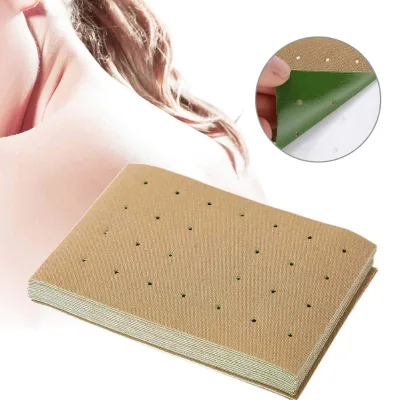
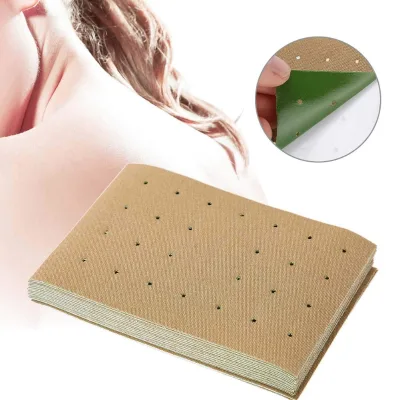
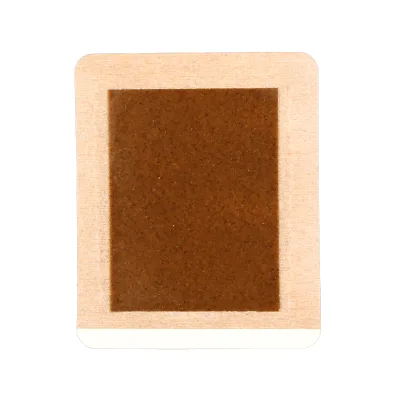
Material composition is another pivotal technical factor. The supply chain currently features products constructed from non-woven fabric, which serves as the primary backing for the adhesive and active ingredients. In contrast, other listings emphasize the use of natural herbs as the core material, suggesting a formulation focused on botanical extracts rather than synthetic polymers. The color of the patches also varies, with observed listings including red, green, and tea brown options. These visual cues often correlate with specific ingredient profiles or brand identities, such as the "white tiger" designation seen in certain packaging details.
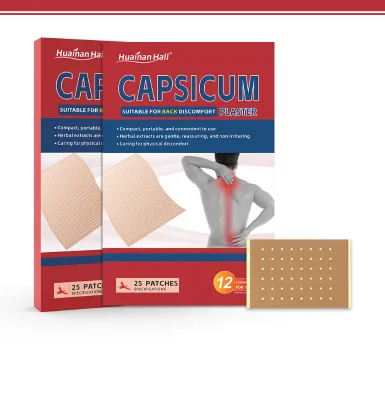
Packaging standards are equally diverse. Some suppliers offer a single unit per bag (1PC/Bag), while others provide bulkier configurations like 2 pieces per bag or 10 patches per bag. The single package size for individual units typically measures around 15.5x12.5x0.5 cm, though variations exist, such as 15x12x0.5 cm. The gross weight per single unit is also a variable metric, with observed values ranging from 0.025 kg to 0.060 kg depending on the density of the adhesive and the thickness of the herbal layer. Buyers must align these physical specifications with their logistical constraints, particularly regarding shipping volume and storage density.
Compliance, Certification, and Regulatory Standards
Navigating the regulatory landscape is essential for importing health-related products. The market data highlights a range of quality certifications that suppliers may claim. Observed listings frequently reference CE and ISO certifications, with some vendors also mentioning UKCA compliance. These certifications are critical indicators of adherence to international safety and quality management systems. For instance, the "Instrument classification" for certain patches is listed as Class I, which generally implies a lower risk category in medical device regulations, though this classification must be verified against the specific regulatory framework of the destination country.
It is imperative for buyers to treat certification claims as observations rather than guaranteed facts for every listed product. The presence of a "CE UKCA ISO" label on one listing does not automatically apply to all "tiger balm" variants in the market. Buyers should request valid, up-to-date certificates of analysis and conformity from the supplier before finalizing any order. Furthermore, the "Product Standard" observed in the data includes specific dimensions like 7x10cm, which may serve as a baseline for quality control, but buyers should confirm if these dimensions are part of a formal national or international standard or merely a product-specific specification.
Shelf life is another compliance-related attribute that varies by formulation. Observed data points to a shelf life of 2 years for some products and up to 3 years for others. This discrepancy suggests differences in preservative systems or the stability of the herbal ingredients. Procurement contracts should explicitly state the minimum remaining shelf life required upon delivery to ensure product viability in the target market. Additionally, the "Place of Origin" varies, with significant production hubs identified in China (specifically Hubei and Henan provinces) and Thailand. Origin verification is crucial for determining applicable tariffs, trade agreements, and the specific regulatory oversight of the manufacturing facility.
Cost Drivers and Pricing Dynamics
The pricing structure for tiger balm pain relief patches is influenced by several dynamic factors, including material costs, certification levels, and order volume. The observed price range in the market spans from $0.03 to $25.00 USD per unit. This wide disparity is not indicative of a single product tier but rather reflects the vast differences in formulation complexity, packaging sophistication, and brand positioning. A unit priced at the lower end of the spectrum likely represents a basic non-woven patch with standard herbal ingredients, while the higher-end products may include specialized adhesives, enhanced herbal blends, or premium packaging.
Minimum Order Quantity (MOQ) is a primary driver of unit cost. The data reveals an MOQ range from 1 unit to 50,000 units. Suppliers with lower MOQs, such as 50 bags or 50 boxes, often charge a premium per unit to cover setup and handling costs. Conversely, buyers committing to high-volume orders, potentially reaching the 50,000-unit threshold, can negotiate significantly lower unit prices. The "Selling Units" are typically listed as single items, but the economic reality of B2B trade relies on bulk purchasing. Buyers should calculate the total landed cost, including shipping and duties, rather than focusing solely on the unit price, as high-volume orders may incur different freight rates.
Payment terms also impact the financial structure of the transaction. Common methods observed include PayPal, Western Union, and Telegraphic Transfer (TT). The flexibility of these payment options can influence the final negotiated price. Suppliers accepting TT may offer better terms for large orders due to reduced transaction fees and faster fund clearance compared to credit-based systems like PayPal. Buyers must align their payment capabilities with supplier requirements to avoid delays that could impact lead times and inventory planning.
Typical Applications and Market Segmentation
The primary application for these products is body pain relief, targeting a wide range of musculoskeletal conditions. The "Function" attributes consistently highlight relief for body pain, making these patches suitable for athletes, office workers, and individuals suffering from chronic joint or muscle discomfort. The "Usage" specification indicates that these products are intended for adults, which narrows the target market and influences marketing strategies. The "Application" field explicitly states "Body," confirming that these are not designed for facial or specialized medical wound care but rather for general analgesic purposes.
The market segmentation is further defined by the origin and branding. Products originating from Thailand often leverage the "Tiger" brand heritage, associating the product with traditional Thai herbal medicine. In contrast, Chinese manufacturers from Hubei and Henan provinces may offer similar formulations under different brand names, such as "YNBH111" or generic "Pain Patch" labels. The "Type" is classified as a "Health Patch," which positions the product in the general wellness category rather than as a prescription-only pharmaceutical. This classification allows for broader distribution channels, including pharmacies, health stores, and e-commerce platforms, but it also necessitates clear labeling to distinguish the product from medical devices requiring higher regulatory scrutiny.
Supplier Evaluation and Verification Protocols
Evaluating suppliers requires a rigorous due diligence process that goes beyond the information provided in product listings. The "Place of Origin" is a key data point, with China and Thailand being the primary sources. Buyers should verify the specific manufacturing location, as facilities in Hubei, Henan, and Thailand may have different regulatory histories and quality control capabilities. The "Brand Name" and "Model Number" (e.g., TGLHT-001, tglht, YNBH111) serve as unique identifiers that can be cross-referenced with regulatory databases to ensure the product is registered and compliant in the destination market.
Sample availability is a critical component of supplier evaluation. The data confirms that samples are provided by many suppliers, allowing buyers to physically inspect the product quality, adhesive strength, and herbal scent before committing to a bulk order. The "Sample" attribute should be leveraged to test the product against internal quality benchmarks. Additionally, buyers should verify the "Quality Certification" claims by requesting direct copies of the CE, ISO, or UKCA certificates from the manufacturer, rather than relying on the supplier's word. The "Instrument classification" of Class I should be confirmed with local regulatory bodies to ensure the product can be legally imported and sold without additional testing.
Quality Control and Long-Term Procurement Considerations
Maintaining consistent quality over time is a challenge in the herbal patch industry. The "Shelf Life" and "Shelf time" variations observed (2 to 3 years) indicate that formulation stability is a variable that must be monitored. Quality control protocols should include regular testing of the active ingredients to ensure potency does not degrade over the product's lifespan. The "Single gross weight" variations (0.025 kg to 0.060 kg) also suggest that batch-to-batch consistency in weight can be a proxy for dosage consistency. Buyers should establish a quality agreement that defines acceptable tolerances for weight, size, and adhesive performance.
Long-term procurement strategies should focus on building relationships with suppliers who demonstrate transparency and reliability. The "Payment" terms and "MOQ" flexibility are indicators of a supplier's willingness to adapt to buyer needs. Suppliers offering "Customization" services can be valuable partners for buyers seeking to differentiate their product offerings through unique packaging or branding. However, customization often increases lead times and costs, so buyers must balance these benefits against their inventory turnover goals.
The "Packing" details, such as "1PC/Bag" or "8pcs/bag," should be standardized to ensure efficiency in downstream distribution. Inconsistent packaging can lead to errors in fulfillment and increased waste. Buyers should also consider the environmental impact of the "Non-woven Fabric" and packaging materials, as sustainability is becoming a growing concern in the B2B market. Finally, the "Color" options (Red, Green, Tea Brown) should be selected based on market preferences and brand identity, ensuring that the visual presentation aligns with the product's positioning as a trusted pain relief solution.
Comparative Analysis of Key Product Attributes
To facilitate decision-making, the following table summarizes the key variations observed in the market data. This comparison highlights the diversity in specifications that buyers must navigate when selecting a supplier.
| Attribute | Observation A | Observation B | Observation C |
|---|---|---|---|
| Product Model | Pain Patch | Plaster Chili Plaster | Thai Tiger Patch |
| Dimensions | 7x10 cm | 10x7 cm | 10x13 cm |
| Material | Non-woven Fabric | Natural Herbs | Herbal Blend |
| Origin | China (Hubei) | China (Henan) | Thailand |
| Certification | CE, ISO | CE, UKCA, ISO | CE, ISO |
| Shelf Life | 2 Years | 3 Years | 2 Years |
| MOQ | 500 bags | 50 boxes | 1 unit |
| Weight (Single) | 0.025 kg | 0.030 kg | 0.060 kg |
| Color | Red, Green | Tea Brown | Red, Green |
| Packaging | 1PC/Bag | 10 patches/bag | 8pcs/bag |
This table illustrates that no single product specification dominates the market. Buyers must define their specific requirements regarding size, material, and origin before engaging with suppliers. The variation in certifications and shelf life underscores the importance of verifying compliance on a case-by-case basis. By systematically evaluating these attributes, procurement professionals can mitigate risks and secure a supply chain that delivers consistent, high-quality pain relief patches to their customers.
FAQs
What certifications do tiger balm pain relief patches typically have?
Many listings display CE, UKCA, and ISO certifications for quality assurance. Buyers must verify specific certificates for each product, as not all variants share the same compliance status or instrument classification.
How large are the standard patches available in the market?
Observed sizes range from 7x10 cm to 10x13 cm depending on the manufacturer. Procurement teams should confirm exact dimensions like 7*10cm or 10*7cm to ensure they match their packaging and application requirements.
Can buyers request samples before placing a bulk order?
Yes, samples are provided by many suppliers to verify product quality and adhesive strength. This allows buyers to test the herbal formulation and packaging details before committing to larger quantities.
What is the typical shelf life for these pain relief patches?
Shelf life varies between 2 years and 3 years based on the specific formulation. Contracts should explicitly state the minimum remaining shelf life required upon delivery to ensure product viability.
Which materials are used to construct these pain relief patches?
Products are constructed from either non-woven fabric or natural herbs as the core material. The choice affects the texture and scent, with some listings specifying tea brown or red colors.
What are the common minimum order quantities for these patches?
MOQs range widely from 1 unit up to 50,000 units depending on the supplier. Lower MOQs like 50 bags or 50 boxes often carry higher per-unit costs compared to bulk orders.
Where are these patches primarily manufactured?
Major production hubs are located in China, specifically Hubei and Henan provinces, as well as Thailand. Origin verification is crucial for determining applicable tariffs and regulatory oversight.